Visibility Without Power
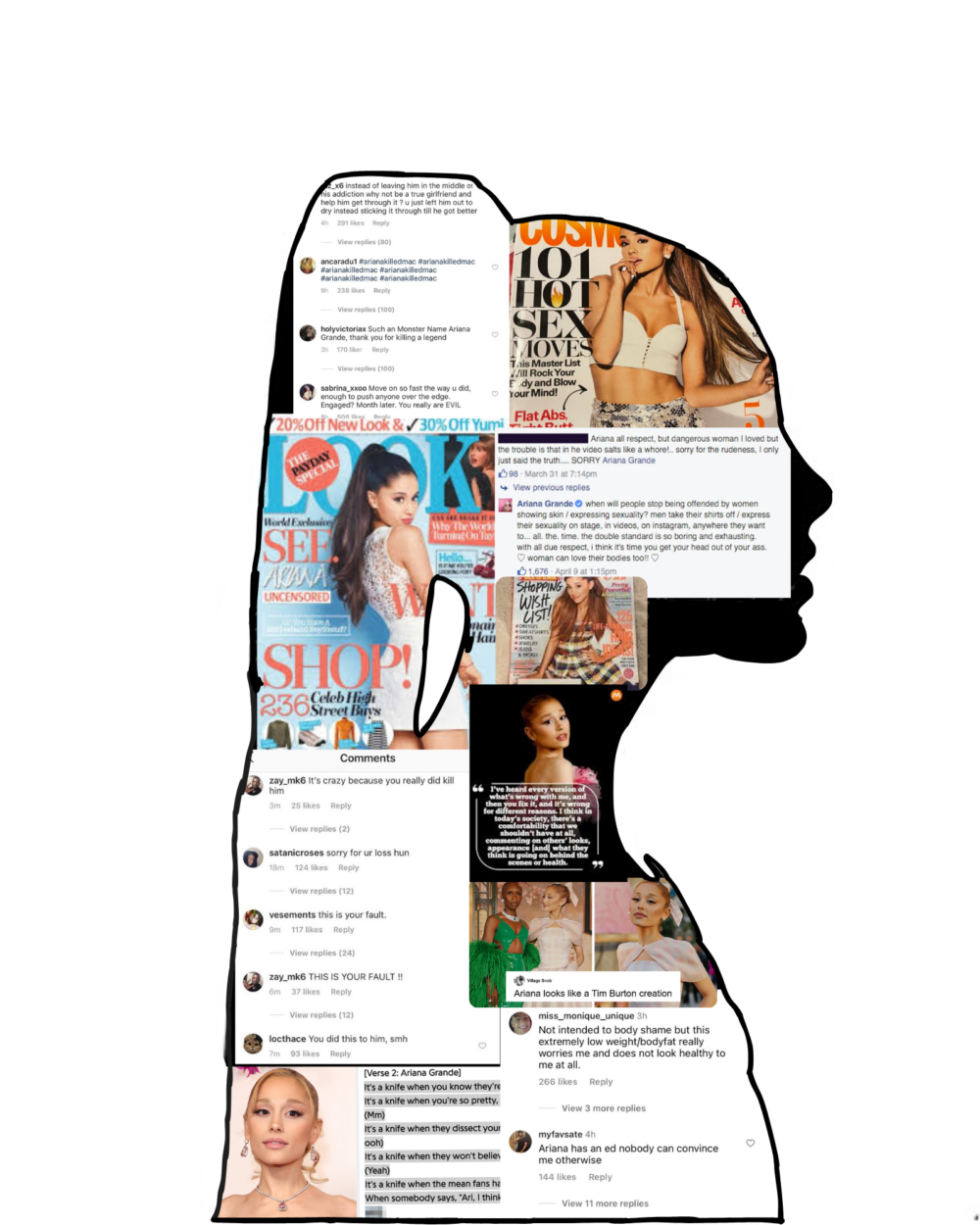
Growing up idolizing performers like Ariana Grande or Adele, I found myself enamored with their vocal abilities and truly unattainable level of skill. Yet, it was clear that others seemed to care much more about their image than their artistry.
The music industry might look progressive to many, with the majority of female pop stars topping charts and shaping culture worldwide. However, research shows that while women often succeed as performers, it is men who still dominate positions of creative control (Lieb 2018; Smith, Choueiti, and Pieper 2023).
Often, the entertainment industry reinforces traditional gender roles by rewarding male artists with authority while treating female artists as branded products whose success depends on image, youth, and marketability. Not only does this limit women’s influence behind the scenes, but it also shapes how audiences learn to value the idea of the female artist.
Who Controls the Sound?
The power imbalance in gender can begin before the singer ever hits the stage, within the songwriting process. The bias in who writes the narrative, the story performers tell, is clear. The USC Annenberg Inclusion Initiative studied 1,300 popular songs from 2012 to 2022 and found strong evidence of unequal creative power based on gender (Smith, Choueiti, and Pieper 2023).
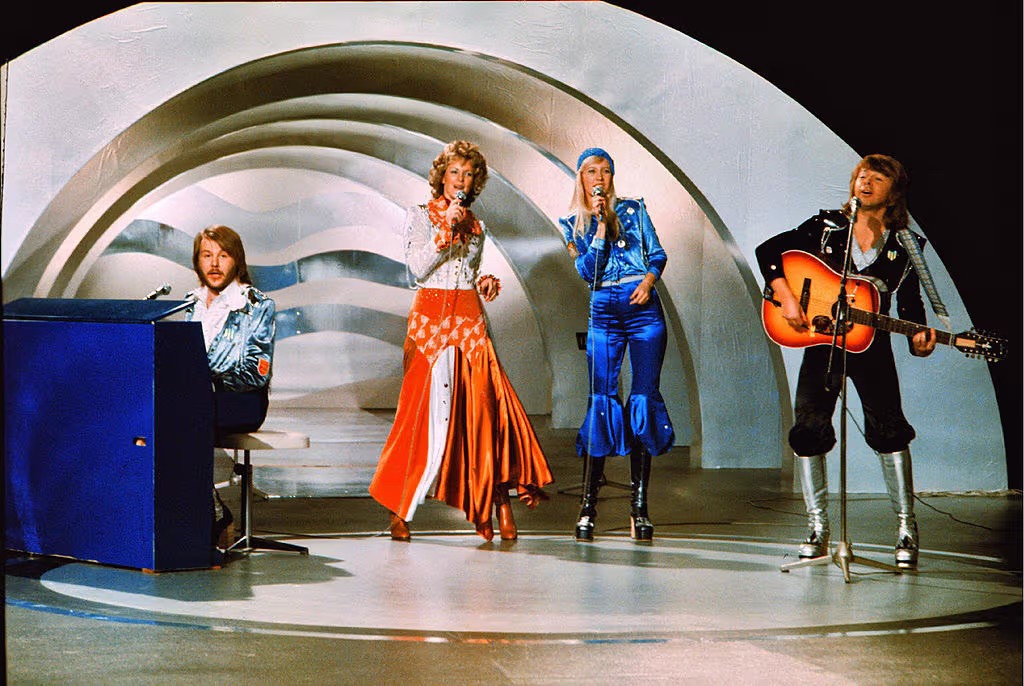
The power over what music is created and performed is more often in the hands of men, continuing the trend of female artists as a mouthpiece. ABBA, a popular Swedish band of the 1970’s, exemplifies this with band members Agnetha Fältskog and Anni-Frid Lyngstad as primarily the singers of the band without a say in the writing process. The music industry tends to treat men as producers of culture and pieces of art, and women as performers within it (Lieb 2018).
This limits the amount of control these female artists have over the art they express to the world. If they cannot sing words that they write, they become a kind of puppet for the voices behind the scenes.
The Branding of Female Artists
Early in their careers, these female artists are developed more as brands than as musicians. Managers carefully shape their public identities, appearance, relatability, and even sexuality to fit public expectations of femininity. Musical talent seems to fall to the side as an aspect of female artists that people appreciate. (Kramer 2019). Female artists become the face of tabloids and product advertisements. This branding can dictate everything they do professionally, from the kind of music they release to how they present themselves in interviews or on social media, which leaves no room for self-expression.
Male artists are more often described as creators whose talent seems natural and self-driven. (Lieb 2018). Their public image tends to include originality and independence, which would allow them to experiment and grow, as an artist must do, without that level of pressure to conform.
Beauty, Youth, and Career Pressure
Women in the music industry not only have to worry about performing their best day to day, but are constantly aware of how fragile their career is. In the eyes of management and the public, female artists’ value in this market is closely tied to attractiveness. Female artists are pressured to stay youthful and meet near impossible beauty standards of a thin and toned body with flawless skin and hair to remain successful (Lieb 2018).
Aging can reduce opportunities for women, while male artists often continue long careers without the same level of scrutiny. In many cases, aging even increases a man’s credibility and respect as an artist. (IFPI 2022) This double standard reflects broader social norms that value men for skill and authority, while valuing women for beauty and appeal.
Changing Power Behind the Stage
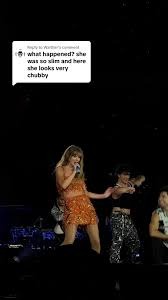
Inequality in the music industry is not just about who stands on stage. Despite female artists’ visibility, their careers continue to be shaped by social media comments and article headlines (Billboard 2023). Public perception is centered around relationships or drama from their private lives. Male artists, on the other hand, benefit from assumed authenticity, with audiences remaining focused on the quality of their artistry and talent.
As Taylor Swift comments in an interview with CBS Sunday Morning, the vocabulary used to describe men and women in the music industry is inherently different. When making the same choices, female artists are far more likely to be referred to as calculating or manipulative than their male counterparts.
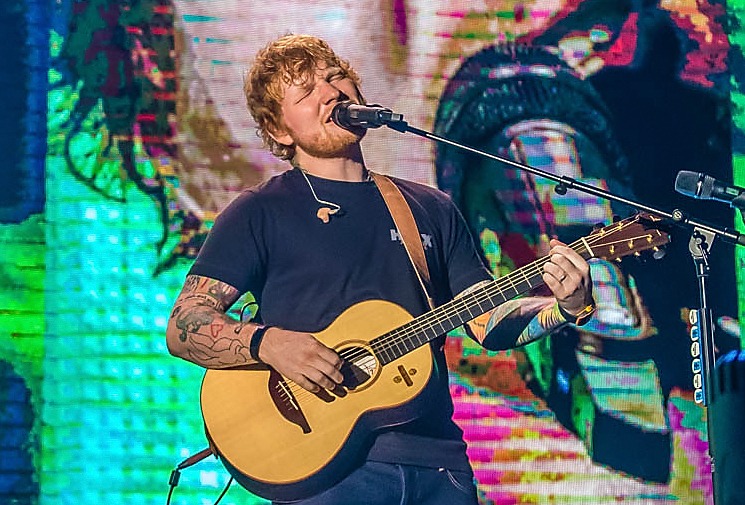
The public will scold artists like Taylor Swift for having “break-up songs” as a recurring theme of her discography, while artists like Ed Sheeran or Bruno Mars are revered for tapping into an uncommon emotional place to write the same heartfelt songs.
The Industry’s Future
The music industry is a force that shapes cultural ideas of success and creativity. When men hold most of the decision-making power, the kinds of stories that reach audiences can become limited. Increasing opportunities for women in production, songwriting, and leadership roles could help shift these patterns. (Jegede 2021)
Mentorship programs, hiring initiatives, and more inclusive professional networks are just a few ways the industry can begin to open doors that have historically been closed.
Media that highlights only female appearances should shift headlines from their personal lives to praising their accomplishments or even critiquing their art, as long as it remains the focus. Ultimately, meaningful change in the industry will depend on shifting both who holds power behind the scenes and how audiences choose to value the artists they see.
References
International Federation of the Phonographic Industry (IFPI). 2022. Global Music Report 2022. London: IFPI
Lieb, Kristin J. 2018. Gender, Branding, and the Modern Music Industry: The Social Construction of Female Popular Music Stars. New York: Routledge.
Tabak, Cihan. 2020. “Gender Roles and the Music Industry.” Journal of World Women Studies 5(1):1–12.
