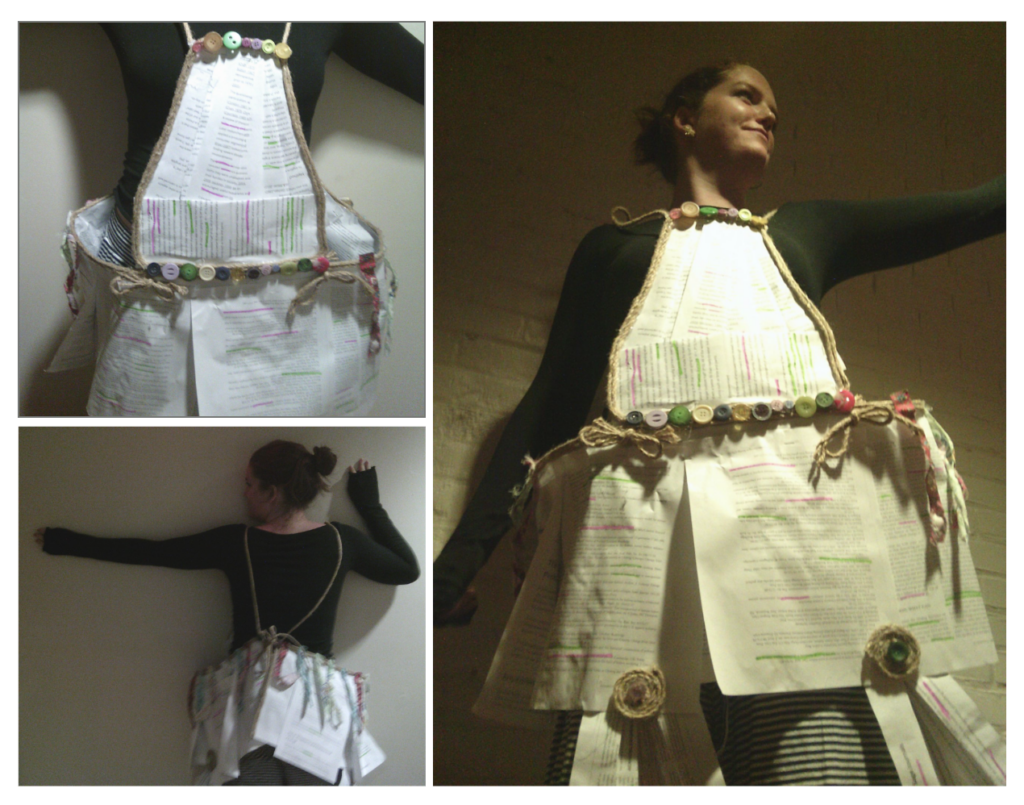
Despite my love of making crafts for my friends and family, I often feel hesitant to share my love of sewing. For many non-sewers, sewing evokes the image of a 1950s housewife and homemaker, making interest in the craft seem like a nostalgic return to a more restrictive past for women.
Yet, interest in sewing among young and middle-aged women has increased over the last decade, despite the wide range of options offered by the fashion industry (Martindale 2020). There are many different reasons women are gaining interest to sew or alter their own clothes. Through sewing, women can challenge societal norms of what a woman should look like or wear, while also supporting their own well-being through environmentally conscious practices.
Sustainable Sewing
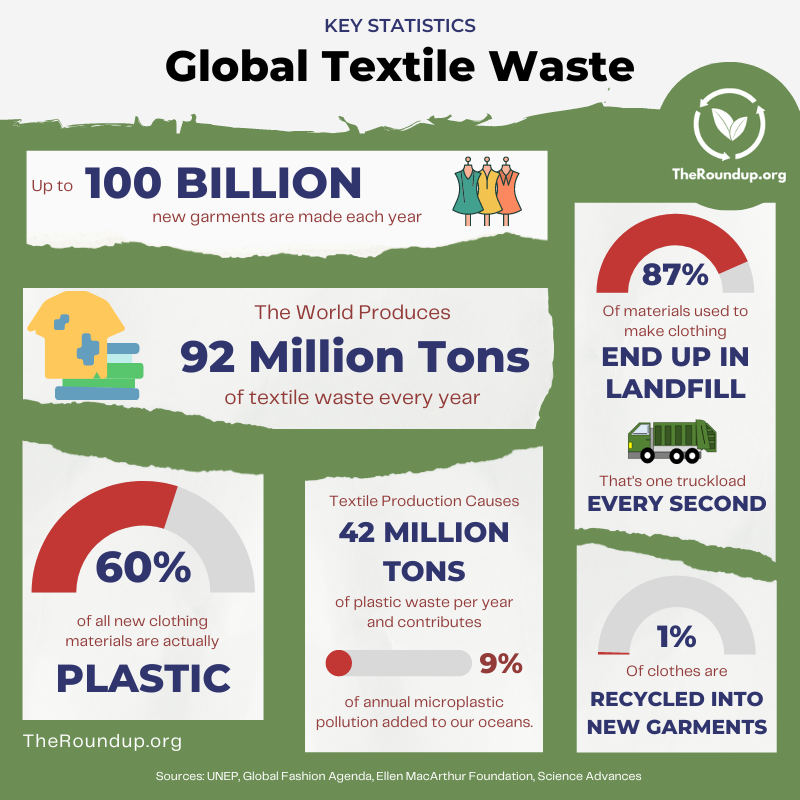
One of the main reasons women promote home sewing is because of the humanitarian and environmental costs of the garment industry. Many companies manufacture clothing in countries with weaker labor regulations where hourly wages are often cheaper, often resulting in worker exploitation. When companies produce clothing in less regulated countries, they can save money by cutting back on necessary safety and health assurances for their workers (Kozlowski 2012:3).
Clothing production places heavy demands on water and energy resources and produces large amounts of textile and plastic waste. A large majority (87%) of materials used to make clothing end up in landfills. Only 1% of clothes produced are recycled into new garments (Ruiz 2026).
Although there are companies that promote eco-friendly fashion with the use of organic materials and ethical labor, research suggests that buyers are not always willing to pay higher prices for these products unless they have faith in the brands that promote their practices (Kozlowski 2012:3). Many high end brands state that they use sustainable practices in their clothing production process, but often these claims are vague or don’t provide concrete proof. Distrust in brand’s environmental claims inspires many individuals to produce their own clothing and act as prosumers.
While sewing is often considered an individual hobby, many climate activists emphasize that community-led movements are the most effective drivers of environmental change (Jose 2025). As awareness of the fashion industry’s environmental harm grows, individuals and communities may be motivated to reduce clothing waste through secondhand markets, thrifting, and upcycling initiatives, though research shows these practices do not always translate into reduced overall consumption (Mizrachi and Sharon 2025). In this context, sewing can serve as a valuable tool, empowering people to repair, reuse, and create garments in more sustainable ways.
Satisfaction From Sewing
Many women find satisfaction in sewing both through the final product and the creation process. Sewing requires focused attention and limits screen use, providing a break from digital distractions. In their research on the benefits of sewing, sociologists Martindale and McKinney (2012) found that sewing provides both a creative and technical satisfaction, emphasizing the value of the process as well as the final products made.
Sewing Promoting Inclusivity
Sewing is also beneficial as it allows women to break free from the traditional sizing system in the fashion industry. By limiting sizes and hiring similar-bodied models, the fashion industry enforces classic beauty standards that most women cannot attain (Pordy 2022). One constant refrain that my friends remind each other of is that clothes are meant to fit your body, not that your body needs to fit your clothes. Beyond contributing to eating disorders and body dysmorphia, finding clothes that fit properly is frustrating.
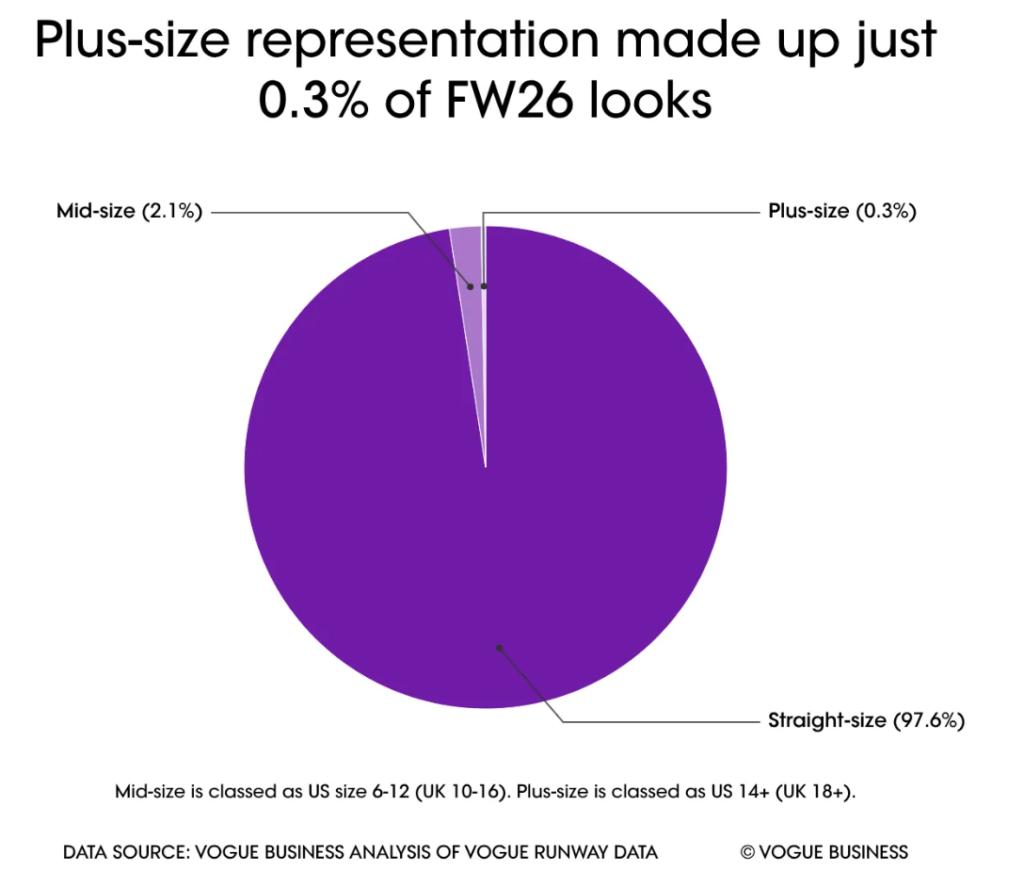
One way to address this institutional problem on an individual scale is sewing. Even though sewing is often viewed as a symbol of traditional femininity, women can reclaim it as a tool of resistance to challenge rather than uphold beauty standards. The ability to alter clothing to fit one’s body allows women to reclaim control over their appearance and resist industry-imposed standards.
Sewing offers a creative outlet, greater autonomy over appearance and self-expression, a way to bypass the fashion industry’s exclusivity, and a more sustainable alternative to the harmful environmental impacts of the fashion industry – making it a worthwhile investment of both time and resources.
References
Aspers, Patrik and Frédéric Godart. 2013. “Sociology of Fashion: Order and Change.” Annual Review of Sociology 39(1):171.
Jose, Nicole. 2025. “Society, Justice, & Nature: Environmental Sociology 101.” Sociology.org. July 4. https://sociology.org/society-justice-nature/.
Kaipainen, Minna and Sinikka Pöllänen. 2025. “Why Don’t They Sew Anymore?—Exploring the Decline of Home Garment Sewing.” Journal of Community &Amp; Applied Social Psychology 35(5).
Kozlowski, Anika, Michal Bardecki and Cory Searcy. 2012. “Environmental Impacts in the Fashion Industry: A Life-cycle and Stakeholder Framework.” The Journal of Corporate Citizenship(45):17–36 Available: JSTOR http://www.jstor.org/stable/jcorpciti.45.17.
Love, Nancy S. 2020. “Shield Maidens, Fashy Femmes, and TradWives: Feminism, Patriarchy, and Right-Wing Populism.” Frontiers in Sociology 5.
Martindale, Addie and Ellen McKinney. 2020. “Why Do They Sew? Women’s Motivations to Sew Clothing for Themselves.” Clothing and Textiles Research Journal 38(1):32–48 Available: CrossRef https://journals.sagepub.com/doi/full/10.1177/0887302X19872552.
Mears, Ashley. 2010. “Size zero high-end ethnic: Cultural production and the reproduction of culture in fashion modeling.” Poetics 38(1):21–46 https://www.sciencedirect.com/science/article/pii/S0304422X09000485.
——. 2009. “Size zero high-end ethnic: Cultural production and the reproduction of culture in fashion modeling.” Poetics 38(1):21.
Mizrachi, Noga, and Galit Sharon. 2025. “Secondhand Clothing and Sustainable Consumption: The Role of Environmental Awareness.” Scientific Reports 15:19089. https://doi.org/10.1038/s41598-025-19089-1
Pordy, Rachel. 2022. “Fashion for a Select Few:The Inclusion (and Limitations) of Plus-Size Representation in Fashion 1 Fashion for a Select Few: The Inclusion (and Limitations) of Plus-Size Representation in Fashion.” University of Michigan, .
Sustainability Directory. n.d. “Community-Led Textile Waste Recycling and Upcycling Initiatives.” PRISM Sustainability Directory. Retrieved April 5, 2026 (https://prism.sustainability-directory.com/scenario/community-led-textile-waste-recycling-and-upcycling-initiatives/).
West, Saucye. 2021. “#FIGHTFORINCLUSIVITY: A Call to Action for Fat Fashion Equality.” National Association to Advance Fat Acceptance. October 18. https://naafa.org/blog-archive/fightforinclusivity.
